Nighttime Dry Skin
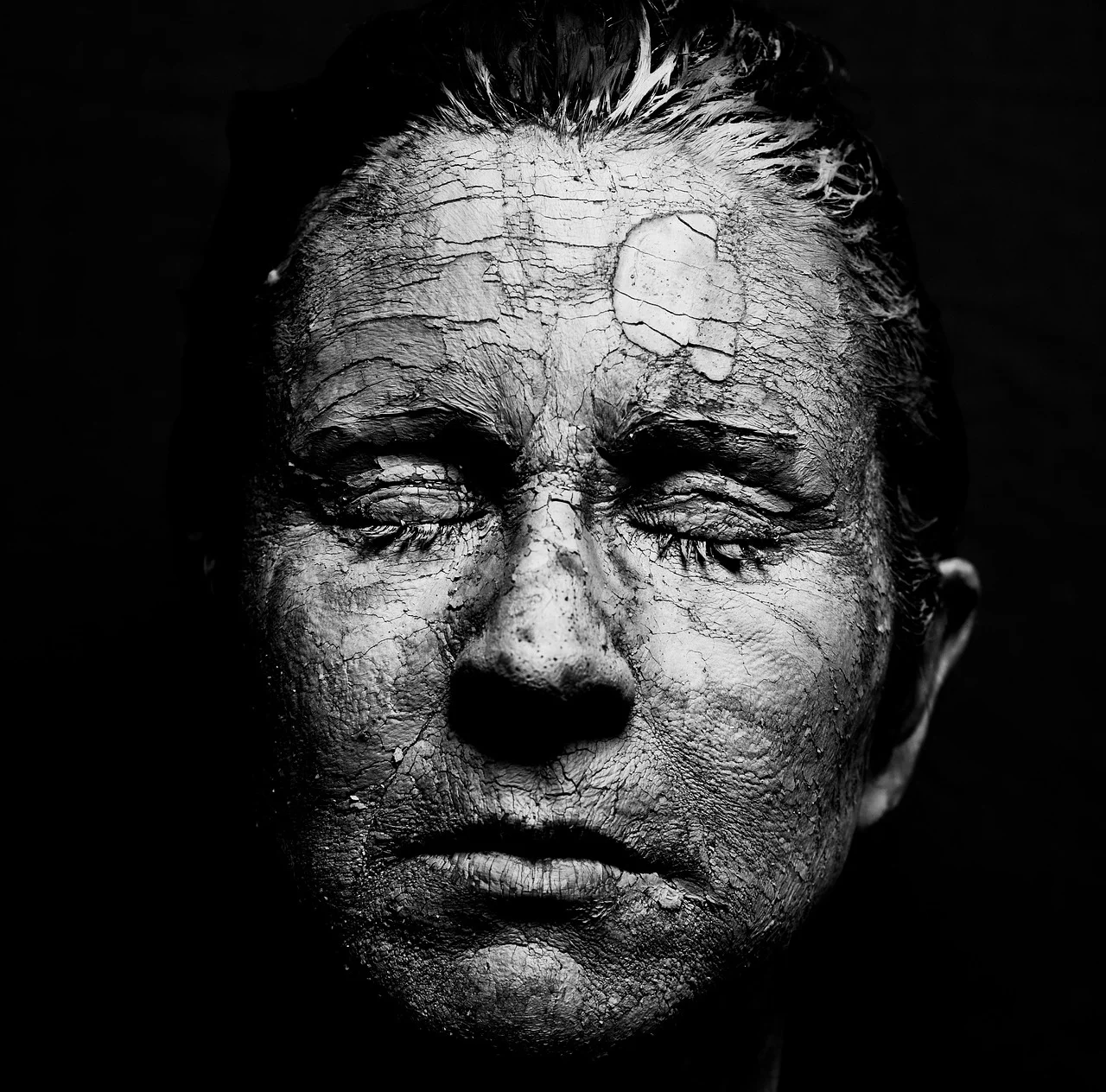
At night, when you close your eyes, your body embarks on a silent and precise process of cellular restoration. You have likely carefully selected your serums and balms, establishing a soothing ritual in the hopes of waking up with a relaxed, radiant complexion. Yet, the physical reality of your sleeping space frequently breaks this promise of well-being, leaving you with an uncomfortable sensation by early morning.
One of the main culprits behind this discomfort is evaporation: while you sleep, your skin continuously loses water to the surrounding air, and this moisture loss accelerates if your bedroom is dry or if your bed is positioned near an air vent, according to the health platform Vitals Vault ("Dry skin in the morning"). This steady drain puts constant stress on your skin barrier throughout your resting hours.
Nighttime skin dehydration isn't an unavoidable cosmetic fate to be masked by expensive formulas. It reflects a complex interaction between your bedroom's atmosphere and your body's internal signals. Approaching it from a lifestyle medicine perspective provides long-lasting, soothing physiological solutions for your nights.
Key takeaways:
- Nighttime skin dehydration is caused by continuous water loss to the surrounding air.
- Applying a balm immediately after cleansing helps lock in moisture.
- Maintaining 40 to 50% humidity in the bedroom can help minimize evaporation.
- Blood sugar levels, thyroid activity, and immune function can also play a role.
The Baseline Diagnosis: Don't Confuse Dry Skin with Dehydrated Skin
Before adjusting your evening routine, take a moment to calmly and objectively observe how your skin feels upon waking. In their detailed analysis ("Dehydrated skin"), Dexeryl Laboratories point out that dry skin and dehydrated skin are two distinct conditions: dry skin (cutaneous xerosis) is characterized by a lipid deficiency in the epidermis, whereas dehydrated skin is primarily a localized issue caused by transepidermal water loss and an impaired epidermal barrier function—not necessarily a systemic hydration imbalance.
The Difference Between Lipids and Hydration Levels
Fundamentally dry skin suffers from a lack of natural oils. It doesn't produce enough sebum to form a strong, protective cement between its cells. The dermis and epidermis act as a layered shield; when surface lipids are lacking, this structure weakens, requiring constant topical nourishment.
Conversely, dehydrated skin signals a localized loss of water. A perfectly hydrated individual can still experience surface-level skin dehydration if their skin barrier is compromised (by harsh detergents or a dry environment). This lack of water thus reflects environmental evaporation rather than an overall bodily imbalance. It is entirely possible to have combination or oily skin that experiences localized dehydration overnight. Understanding this nuance prevents you from slathering unnecessary layers of heavy creams onto tissue whose barrier primarily needs support to stem moisture loss.
The Golden 2-Minute Rule: A Matter of Physics, Not Cosmetics
The transition to bedtime often centers around a long, relaxing shower. While this offers genuine psychological decompression after a busy day, it takes a toll on your facial skin. Hot water and foaming cleansers strip away the oils that naturally seal moisture into the skin: you step out of the shower with a weakened barrier that continues to leak water throughout the night. To preserve your skin barrier, it is advisable to limit the frequency of baths and showers, opt for lukewarm water over hot, avoid aggressively towel-drying the skin, and choose gentle, non-alkaline cleansers with a pH close to that of your skin.
The Thermal Impact on Your Natural Barrier
Heat helps dissolve protective sebum, directly exposing the water within your cells to the open air. The moment you step out of the shower stall, the contrast between the humid bathroom and the air in the rest of your house can trigger increased evaporation. This is why your night cream loses some of its effectiveness if application is delayed.
Post-Cleansing Hydration Timing
This is where a pragmatic clinical consensus comes into play. Applying a rich cream to skin that is still slightly damp, immediately after cleansing (often referred to as the "2-minute rule" as a general guideline), helps trap water in the uppermost layer of the skin, rather than trying to "add" hydration to skin that has already dried out.
This prompt application offers a critical window of opportunity. By acting swiftly, you alter fluid dynamics. The balm acts as an occlusive shield, capturing surface moisture before it can evaporate into the atmosphere. This recommendation perfectly embodies the lifestyle medicine approach: it relies on a simple, preventive action dictated by the physics of evaporation, rather than relying solely on chemical formulations.
How to Make Your Bedroom Less Drying
Your bedroom isn't just a place for mental relaxation; it is a microclimate in constant dialogue with your physiology. The atmosphere in this room directly dictates the intensity of moisture loss throughout your sleep cycles.
Precise Indoor Climate Management
Feelings of tightness are generally blamed solely on the winter chill. However, according to the aesthetic clinic Celestetic's expertise ("Drought treatment"), skin dehydration isn't limited to winter or summer: it can happen year-round, often exacerbated by environmental factors like air conditioning and heating. Artificially heated air experiences a drop in humidity, which can accelerate the evaporation of water from the skin and turn your sleep environment into a zone of heightened moisture loss.
To objectively assess the quality of this sleep environment, running a humidifier set to 40 to 50% humidity in the bedroom is touted as the quickest way to verify if dry air is indeed the main culprit behind morning dryness. This 40 to 50% threshold maintains adequate relative humidity in the room to curb skin evaporation, providing your body with a resting space where it doesn't have to fight to hold onto its fluids.
The Pillar of Systemic Hydration
Managing your external climate goes hand in hand with a balanced approach to internal hydration. The popular recommendation of "2 liters of water a day" is actually an oversimplification: total daily intakes of 2 to 2.5 liters (including water from food) are recommended, and hydration needs vary significantly based on weight, physical activity, climate, and diet. Furthermore, the link between systemic hydration and measurable improvements in skin hydration is only weak to moderate: drinking more water only improves skin condition in individuals who are genuinely under-hydrated. A stabilized bedroom climate therefore primarily serves to prevent localized water loss at the skin barrier.
Frequently Asked Questions (FAQ)
Does the glass of alcohol I have in the evening to relax affect my facial hydration?
With moderate consumption (one glass), the effect on skin hydration is clinically negligible in a healthy individual. However, excessive alcohol consumption is discouraged as it can accelerate moisture loss. In large doses, alcohol has a documented diuretic effect that pushes the renal system to excrete more water. This excess triggers major internal drainage, which justifies avoiding heavy drinking without overstating the impact of a single glass on your skin barrier.
Should I use a humidifier all year round?
Skin dehydration is not limited to winter or summer: it can happen all year, often exacerbated by air conditioning and heating. Maintaining an environment with 40 to 50% humidity is therefore potentially beneficial regardless of the season, especially when heating or cooling systems are actively running.
Conclusion: From the Surface to Systemic Signals
Your skin is an organ that integrates nervous, endocrine, and immune signals. Its early-morning variations can reflect the quality of your sleep hygiene, the impact of air conditioning, and the stability of your internal metabolism. By decoding these physiological signals, you can reclaim peaceful nights and truly restorative rest.
--- The information contained in this article does not replace medical advice. Consult your doctor or a qualified healthcare professional.